

Easy Ways to Start Teaching Your Kids About Money
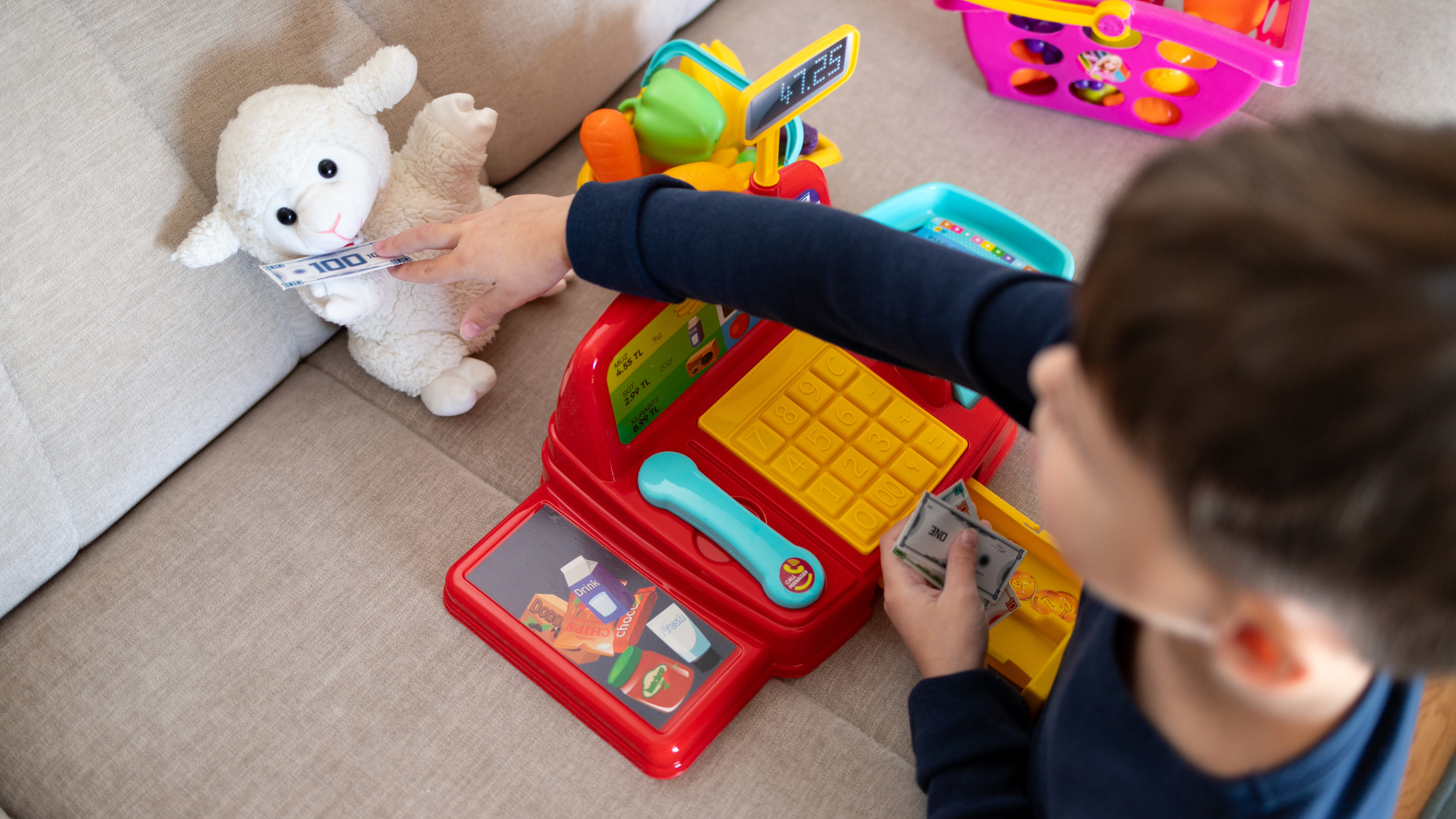
Most kids aren’t going to remember a long talk about money. But they will remember the time they got to make a decision, try something on their own, or even mess up a little. Kids really do learn best by doing, not just listening.
Here are a few simple and fun ways to teach your kids about money…without feeling like you’re teaching them about money:
Start with Games
Games like Monopoly and Life are great because they naturally introduce concepts like earning, spending, saving, and even taking risks. Kids get to experience what it feels like to make decisions with money (and sometimes regret them), all in a low-stakes environment.Involve Them in Real-Life Money Conversations
It might feel easier and quicker to keep finances “adult-only,” but letting your kids see how you think about money can be incredibly valuable.
You don’t have to share every detail, but walking them through a simple version of your budget can go a long way.
For example:
- Show them how you plan for groceries, bills, and fun.
- Explain trade-offs: “If we spend more here, we have less money for this.”
- Talk through decisions out loud.
This helps kids understand that money isn’t infinite and that it is something that you have to manage.Turn Everyday Errands into Mini Lessons
Next time you’re at the store, try letting them help.
Give them a small budget for snacks or ask them to help you compare prices. And with summer coming up, this can be a great time to switch things up a bit. Farmers’ Markets start popping up more, and some employers (like Ancorum Credit Union!) even offer programs (like bumper crops or local food incentives) that give you funds to spend there. Bringing your child along and letting them help decide what to buy is a great way to teach budgeting, while also introducing them to healthy, locally grown food. (Find your local Farmers’ Market here.)
It might take a little longer (okay, sometimes a lot longer), but it turns a normal errand into a real-life lesson about values, priorities, and decision-making. And they’ll feel proud being part of the experience.Give Them Money to Manage
Whether it’s an allowance or money birthdays, giving kids ownership over their money helps build confidence.
They might spend it quickly. They might save up for something big. They might change their mind halfway through.
All of that is part of learning. And honestly, it’s better that they learn those lessons now when it’s not as big of a deal.
You don’t need a perfect plan to teach your kids about money. Just include them. Talk out loud. Let them try, learn, and even mess up a little.
Remember teaching your child about money should be judgment-free. Money can be emotional even for adults. Showing kids that it’s okay to learn as they go makes a lasting impact.